Fatigue: The Hidden Hazard Behind Site Safety
Based on guidance from the Health & Safety Executive (HSE), adapted for the construction and lifting industries.
When we think of safety on site, most of us picture hard hats, harnesses, and risk assessments. But one of the biggest hazards can’t be seen at all, fatigue.
Fatigue is more than just feeling tired after a long day. It’s a decline in physical and mental performance that happens when our bodies and minds don’t get enough rest.
According to the HSE, it can result from long hours, poorly designed shift patterns, high workloads, or simply not having enough time to recover between shifts.
In construction, where precision, timing, and coordination are crucial, fatigue can be deadly.
Why fatigue matters
More than 3.5 million people in the UK work shifts. Many of them are in industries such as transportation, healthcare, manufacturing, and, of course, construction.
When shift patterns or working hours are poorly managed, the effects are apparent:
- Slower reaction times
- Reduced focus and coordination
- Poor decision-making and underestimation of risks
- Lapses in memory or awareness
In fact, fatigue has been linked to some of the world’s most serious accidents — including Chernobyl, Clapham Junction, and Exxon Valdez.
It’s also thought to play a part in 1 in 5 serious road accidents, costing the UK up to £240 million a year in workplace incidents alone.
On a construction site, that could mean a missed signal during a lift, an unsecured load, or a split-second misjudgement that changes lives.
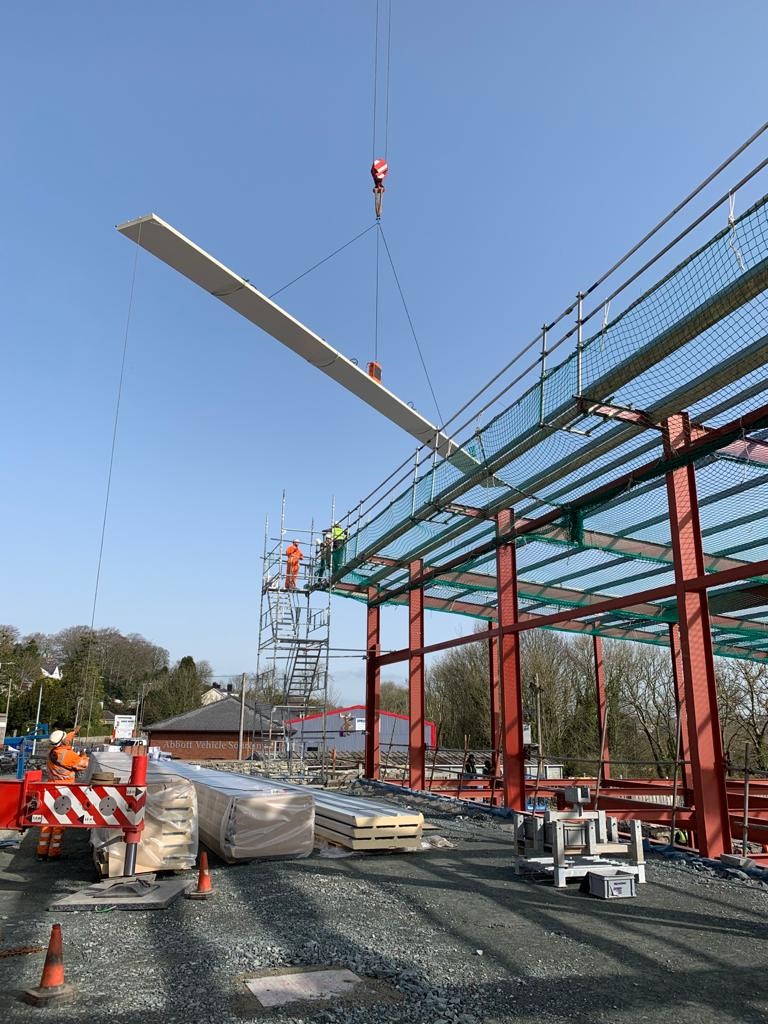
When lifting and handling heavy materials, concentration and communication are essential. Operators, crane teams, banksmen and other site personnel need to remain alert throughout the lifting operation. Fatigue can increase the risk of missed instructions, slower reactions and poor decisions at critical moments.
Fatigue is a hazard that must be managed like any other.
The HSE is clear: fatigue needs to be managed like any other workplace risk.
It’s not enough to simply comply with Working Time Regulations.
Employers have a legal duty to assess and control fatigue-related risks.
That means:
- Risk assessing working hours and shift changes – use tools like HSE’s Fatigue Risk Index to evaluate shift designs.
- Designing safe schedules – avoid excessive hours, back-to-back night shifts, and ensure regular breaks.
- Consulting employees – but remember that “popular” shift patterns aren’t always the safest or healthiest.
- Setting clear limits – create a company policy that controls overtime, shift swapping, and on-call work.
- Monitoring and enforcing – track hours and patterns; frequent overtime can signal understaffing.
Recognising the signs
Fatigue doesn’t happen overnight; it builds up. Common warning signs include:
- Increased mistakes or near-misses
- Slower work pace or loss of focus
- Irritability or low morale among teams
- Higher absence or accident rates after long or night shifts
Supervisors and managers should be trained to spot these early and encourage open conversations about rest and workload.
Creating a culture that values rest
In our industry, hard work is a badge of honour, but pushing through tiredness shouldn’t be. The best-run sites strike a balance between productivity and recovery.
That means planning rotas with rest in mind, supporting workers who speak up, and leading by example.
Ultimately, a rested workforce is a safer and more productive one.
Sources:
- HSE: Fatigue and Risk Management
- Construction Health & Safety Executive




